
Do you want to break into backcountry skiing? You’re not alone. Backcountry skiing is one of the fastest growing niches of the winter sports industry. But leaving the safety of the ski area requires you to have the necessary skills and ability, the right safety gear, and a solid education. So where do you begin?

Backcountry skiing is glorified in ski films, big mountain competitions, and social media. From a novice’s perspective it’s like a powder utopia. But if you don’t know what you’re doing, it’s easy to get in over your head quickly. Accessible backcountry gates, snowmobiles, and an addiction to powder can make it easy to go out of bounds to chase untracked lines. If that’s the route you choose to take, it’s your responsibility to do so safely.

The backcountry is a dynamic environment that keeps you on your toes at all times. There are many moving parts and you need to be on top of your game to safely enjoy the backcountry mountain playground. When you break into backcountry skiing, a whole new world will open up. You’ll begin to view the mountains differently and see endless possibilities. But before you get too excited, take the time to learn about it properly so that you can enjoy it responsibly.

If you want to break into backcountry skiing this winter, you need to be smart about it. Below are a few simple steps that you need to take before you head into the backcountry:
- Determine Why You Want To Break Into Backcountry Skiing – It’s always smart to have a clear goal of why you want to try something new. Are you trying to avoid the lift lines? Earn your turns? Ski big lines? Find untracked powder? Explore the mountains? Avoid the costs of lift tickets? Keep up with your friends? Ski lift-accessed backcountry terrain? Or go on epic ski tours? Your reasons will help you determine the best course of action and the right gear for you.
- Develop Your Skiing and Riding Skills – No matter what your reason for heading into backcountry terrain, you must be solid on your skis or board. Develop your skiing and riding skills to a competent level before venturing out of bounds. If you need to, take a lesson with a certified ski instructor. Master the inbounds terrain before you head into the backcountry. Learn how to ski with a backpack full of gear. Take the time at the resort and it will make a big difference when you break into the backcountry.

- Get In Shape – In the backcountry you’re earning your turns. That means skinning uphill and skiing downhill. There are no chairlifts to the top and that makes it physically demanding. You’re out there and you’re on your own. Physical fitness is key if you want to safely ascend and descend in the mountains.
- Get The Gear – The right backcountry gear is mandatory. Never head out without it. An avalanche transceiver, shovel, and probe are essential for every backcountry traveler. Depending on your backcountry motives and destinations, you’ll probably need to invest in touring bindings, boots, skis/splitboard, climbing skins, and of course backpack to carry your gear. As you gain experience, you’ll want to invest in different layering systems, snow science kits, first aid kits, airbag packs, and backcountry repair kits too. You can buy all the gear you need at Backcountry.com or other online retailers.
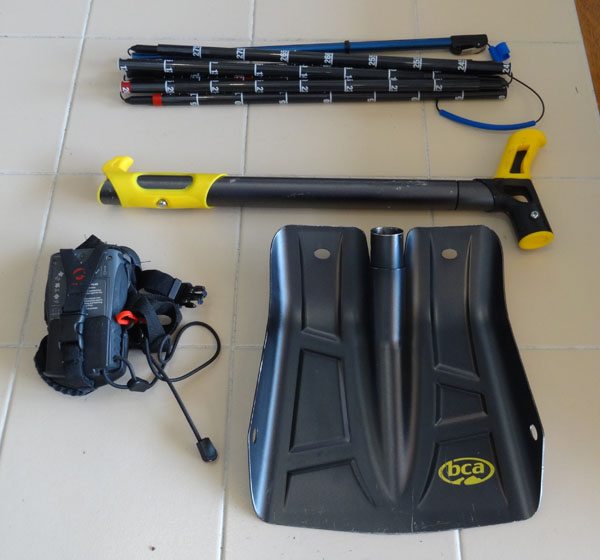
- Take An Avalanche Course – Sign up for an avalanche course with a trusted organization. Avalanche courses will teach you about snow, terrain, and avalanche rescue. A course or certification is a necessary investment in your safety, knowledge, and long term enjoyment. Try to read an avalanche book before you take the course to develop a baseline of knowledge that you can build upon.
- Read The Avalanche Report – Every major mountain range has a local avalanche center that publishes a daily avalanche forecast. Read it daily. Follow the weather. Read the accident reports. Learn as much as you can and watch for patterns in the snowpack. Find your local avalanche center.
- Find A Backcountry Partner – Do not go into the backcountry alone. It’s not safe. Find a backcountry partner who you trust with your life. Look for someone who can help to teach you about what is safe and what is unsafe. Hire a backcountry ski guide who knows the terrain, the snow, and the skills. A mentor like this can help you build your backcountry skill set quickly.
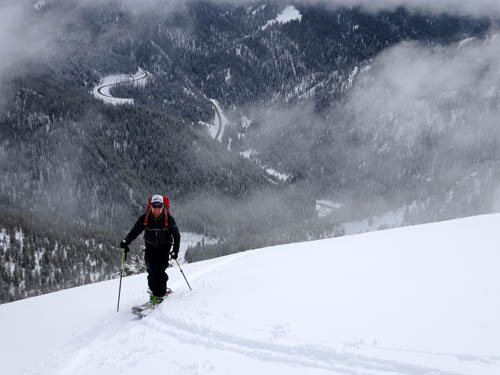
- Start Slow – It’s time to venture in to backcountry terrain. Head out for a simple and mellow ski tour with your partner. Do not dive into the same terrain that you ski at the resort. The same things you might ski in-bounds may be off limits in the backcountry due to avalanche conditions. It’s your responsibility to safely assess what you can and cannot ski. Learn how to select appropriate terrain based on the avalanche hazard. When you break into backcountry skiing, start slow and mellow. You’ll probably be doing a lot of meadow skipping vs couloir skiing. And approach every new season and new zone the same way.
- Adjust Your Expectations – TGR, Matchstick, and other ski films always highlight perfect powder in the backcountry. While these conditions do exist, that’s not always what you’re going to find. Conditions vary based on aspect, elevation, recent weather patterns, time of year, and other factors. Be ready to ski powder, corn, breakable crust, ice, frozen salsa, and a wide variety of other snow conditions.
- Gain Experience – As you gain experience, you’ll want to venture deeper, steeper, and higher. To do this safely, it can take years. You need to develop proper decision making skills, build the right skill sets, expand your knowledge base, and learn to accept a safe level of risk tolerance. Be patient.

Backcountry skiing is different than resort skiing. Waking the avalanche dragon is a real possibility. Gear failures, injuries, and unexpected accidents can happen. There is no ski patrol to rescue you. It’s your responsibility to be mentally and physically prepared for anything that happens in the backcountry.
Be safe and have fun.


