Gear Review: Dynafit TLT Radical ST Binding Review
Price: $499.99
Total Weight: 531 grams
Summary: The Dynafit TLT Radical ST Binding is Dynafit’s lightest weight, durable tech binding that still offers brakes. It’s ideal for any backcountry ski mission.
Buy Dynafit Radical ST Bindings Now
___________________________________________________
If you’re a true backcountry skier, you will eventually invest in a Dynafit binding setup. Tech bindings are the absolute best way to travel through the snowy mountain environment. From meadow skipping to couloir charging, the Dynafit TLT Radical ST Binding is a fantastic choice.

When you’re new to Dynafits, it’s scary to look down and see two tiny pins holding your ski boot to the ski as you go flying down the mountain at mach-chicken speeds. It still worries me and I’ve skied them for years, but Dynafit bindings are solid. The Dynafit TLT Radical ST Binding is Dynafit’s lightest binding option that includes brakes and a climbing bar. They weigh 2 lbs 5 oz for a pair or 1.17 pounds / 531 grams per binding. That’s essentially nothing.
Dynafit knows what they are doing. They are the industry leaders of the tech binding revolution. Their minimalist design works and can be trusted. Try it once and you’ll never go back to your Marker Dukes or Salomon Guardian bindings for touring or ski mo. You can choose to ski the Dynafit TLT Radical ST Binding in bounds, but that’s not what it’s designed for. The Dynafit TLT Radical ST Binding evolved from Dynafits Vertical ST bindings.
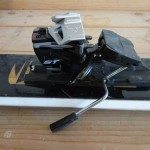
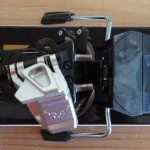
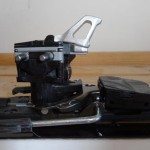
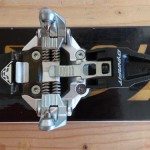
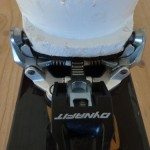
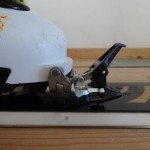
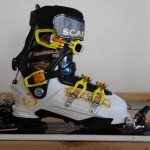
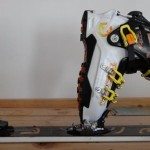
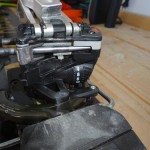
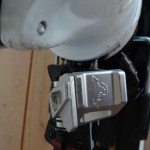
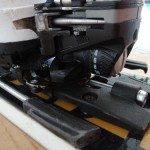
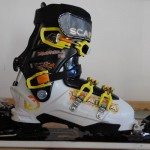
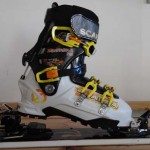
Here’s a closer look at the Dynafit TLT Radical ST Binding:
Side Towers or Power Towers – These align with the tech fittings to make it easier to step into your bindings. No more Dynafit dance. The Power Towers essentially help you step into the bindings easily and quickly. They also help with toe retention. It’s a strong piece that comes directly out of the binding’s base.

Heel Elevators – When entering tour mode, the heel piece rotates clockwise. It’s unidirectional and a big red arrow tells you so. Don’t twist it the wrong direction. One 90 degree turn from ski mode and you are in tour mode. Then to access your heel elevators aka heel risers, just flip them down into the height of your choice. This is easy to do with your ski pole. This is a big improvement from the Verticals, as the plastic would break and cause unnecessary stress on your poles when trying to rotate to different heel heights.


Dynafit Crampon Compatible – A low profile, metal joint on the back of the toe piece allows the attachment of a Dynafit Crampon.

Free Pivot There aren’t many bindings that have as much range of motion as the Dynafit line up. I didn’t measure it, but it’s practically 90 degrees of movement, which makes for easy touring.

Other Cool Features From Dynafit
- A 6mm plate under the binding helps to improve turnabilty over the Verticals.
- A gliding heel plate improves releasability.
- The Dynafit Radical’s offer 12.5 mm of adjustment in the heel piece in case you change boot sole lengths.
- Torx 20 Steel Screws are stronger and less likely to slip. Bring an extra 2 inch torx 20 bit in your backcountry ski repair kit. It saved our day on Mount Baker.
- The Radical mounting pattern is spaced differently than the Vertical mounting pattern.
- The ST has a DIN compatible heel piece that ranges from 4 to 10.


A few questions about Dynafits that I’ve heard more than once:
- Want to go brakeless? Try the Dynafit Speed Radical. It’s the same design without brakes and a smaller ramp angle. You cannot easily remove the brake from the Radical ST and FT bindings as it is attached to the binding.
- Is it strong enough? I weigh approximately 225 lbs with ski gear and I have had no issues with strength or durability. If you’re really worried about the Dynafit binding’s DIN, check out the Radical FT.
- What’s the difference between the Radical FT vs ST? The Dynafit Radical FT is several grams heavier. It has a full length shock absorbing carbon plate that also stiffens the ski. The FT ramps up the DIN to 12 (vs 10 on the ST). The FTs also cost $100 more.
- What size brake should I get on my Dynafits? The Dynafit TLT Radical ST Binding can be ordered with brake sizes 82, 92, 100, 110, or 130 mm. Choose the size that closest fits over your ski. The brakes can be bent slightly to accommodate a close size. For example, a 102 mm waisted ski can use a 100mm brake.

- Can I ski them in lock mode? It’s not a smart decision to ski Dynafit bindings in lock mode. The binding will have the most torque while touring. This is when the binding should be locked. When you are skiing, place it in ski mode. It’s terrifying to see how many people ski Dynafits in lock mode – especially in bounds. There are times when locking a Dynafit might be the best choice for peace of mind, but understand that they are non-releasable when in lock mode. There are plenty of horror stories about lost legs and blown knees from locked Dynafits. Be safe. Don’t be stupid.

A few tips and tricks for Dynafit newbies:
- I find that the most common reason for releasing from the toe piece is snow underneath the binding or in the boot’s tech fittings. Take the time to clean out the tech fittings on the boot. Once engaged in the binding, swing the boot several times before engaging the heel.
- When you transport the bindings or you are transitioning (especially with a sticky snowpack), click the toe piece into ski mode. This keeps snow out from underneath the binding and will help it to engage properly. Engage and disengage the toe piece several times to ensure there is no snow stuck under the tech toe piece.
- The handle of Black Diamond ski poles makes it easy to grip and pull the lock mode lever when starting to tour.
- The Dynafit Radical toe piece is a great option for snowboard mountaineers who ride in hard boots and tour like champions.
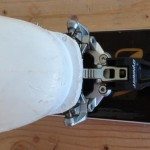
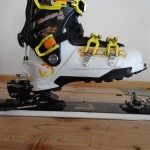
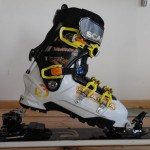
- Ensure proper spacing between boot and heel piece by using the Dynafit spacer tool. If you don’t use them, you’ll pop out and annoying your touring partners.

Proper Boot Spacing
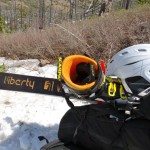
- When doing long approaches in the spring in approach shoes, click your boots into the bindings on your pack and lock them down. They travel easy and don’t kick you in the back.
Summary: Overall the Dynafit TLT Radical ST Binding is a fantastic choice for an adventurous backcountry skier. If you’re touring more than about 100 vertical feet, you will truly appreciate a lightweight Dynafit binding. I’ve skied my Dynafit TLT Radical ST Bindings in gnarly lines in the GTNP, cat skiing in BC, powder touring in SW MT, and plenty of other places. They are my go-to binding.

I have Dynafit TLT Radical ST Bindings mounted on both my Liberty Variant 97s and my Dynastar Cham HM 107s. They have both lasted several season and had no durability issues. This makes them worth the steep price tag. I trust Dynafit. Once you try them, you won’t go back.

Tech bindings are an industry standard for the backcountry. You can tell a lot about a ski partner if they aren’t on them. I highly recommend the Dynafit TLT Radical ST Binding. To learn more about everything Dynafit, visit WildSnow. The future of tech bindings looks bright so stay tuned for more gear reviews. ___________________________________________________
Official Specs For The Dynafit TLT Radical ST Binding Review
- Materials: forged aluminum, CrMo steel, stainless steel, and high stregth plastic
- DIN 4-10
- Tech Boot Compatible
- Brakes – 82, 92, 100, 110, 130
- 2 Heel Elevators
- 2 lb 5 oz (pair) / 531 grams
- 2 yr warranty
- Alpine touring, Ski mountaineering
- One Size Fits All
___________________________________________________
Find The Best Price On Dynafit TLT Radical ST Binding:
___________________________________________________
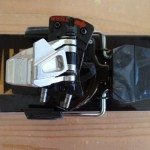
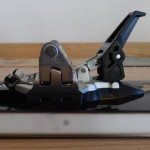
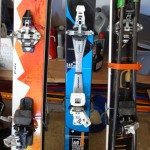
Here are additional close up images of the Dynafit Radical ST Binding: